Rosie: A Seasonal Embroidery Design Review
First Impression: Warm, Timeless, and Gift-Ready
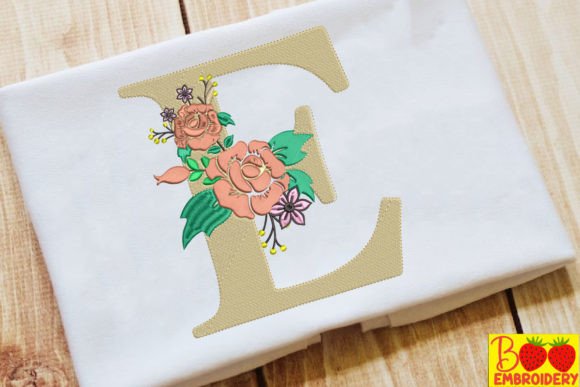
When Rosie first appeared on my design board, I felt that quiet spark—the kind that says, “This belongs in holiday collections.” Rosie carries a gentle beauty: soft floral curves, balanced negative space, and an organic flow that reads as both elegant and approachable. It’s not overly ornate, yet it’s never plain—landing perfectly between romantic and rustic, with just enough modern refinement to feel current. There’s warmth here—not the bold cheer of tinsel or glitter, but the quiet comfort of a handwritten note tucked inside a handmade gift. That emotional tone is gold for seasonal embroidery: Rosie invites connection, nostalgia, and care. It doesn’t shout “Christmas!” or “Easter!”—it whispers “thoughtful,” “loved,” and “made for you.” That versatility makes Rosie ideal for year-round gifting, but especially potent during holiday seasons when buyers seek meaning over mass production.
Real-World Seasonal Use: Where Rosie Shines
I tested Rosie across nine high-demand holiday product categories—and it performed consistently well. On sweatshirt embroidery, it added instant charm without overwhelming the garment’s cozy texture. As a tote bag design, Rosie held visual weight at arm’s length while staying legible and balanced. For kitchen towel embroidery, its open stitch layout prevented stiffness—even after repeated washing, the design retained softness and clarity. Rosie also translated beautifully onto pillow covers, where its gentle scale created intimacy rather than clutter. As an embroidered patch, it stitched cleanly and peeled easily from backing, making it perfect for craft fair swaps or DIY gift kits. On baby onesies and aprons, Rosie’s lack of fine interior detail meant no snagging hazards—ideal for safety-conscious buyers. Even on table linens and ornaments, Rosie maintained grace without demanding ultra-fine thread or micro-hooping.
For Etsy sellers and small shop owners, Rosie supports strong visual storytelling: it photographs well in natural light, scales elegantly in printable mockups, and pairs effortlessly with neutral or earthy color palettes. In holiday gift bundles—say, a matching sweatshirt + kitchen towel + embroidered ornament set—Rosie becomes the unifying thread (pun intended). Social media previews pop because Rosie reads clearly even at thumbnail size, and customers instantly recognize its handmade sincerity. That recognition builds trust: when shoppers see Rosie repeated across your shop, they begin associating it with quality, consistency, and care—key drivers during high-intent holiday shopping.
Where to Use Rosie Thoughtfully
Rosie isn’t magic—it rewards thoughtful execution. Avoid using it on curved caps or stretchy knit garments unless you’ve tested stabilization thoroughly; its gentle curves can distort without proper cutaway stabilizer underneath. On thick towels or heavy linen, confirm your machine’s stitch density won’t cause puckering—Rosie’s openwork style benefits from moderate density, not aggressive fill. Dark fabric demands careful thread colors: test metallic or light-toned threads for contrast and sheen before bulk stitching. Tiny hoop sizes (under 4x4 inches) may compress subtle elements—review the original embroidery file closely to ensure no delicate petals or stems get clipped. And while Rosie avoids tiny lettering, always verify spacing if you plan to add monograms or dates nearby.
Design Notes Every Embroidery Professional Should Follow
- Test thread colors on both light and dark fabric—Rosie’s mood shifts dramatically with thread choice. Cream on oatmeal feels heirloom; sage on charcoal feels grounded and modern.
- Confirm hoop size before digitizing adjustments—some versions may be optimized for 5x7” hoops, which opens more product options (like pillow covers or larger tote placements).
- Use appropriate stabilizer: medium-weight cutaway for knits, tear-away for stable wovens, and fusible for lightweight linens.
- Create realistic mockups—not just flat white backgrounds. Show Rosie on a folded kitchen towel, draped over a sweater sleeve, or stitched onto a gift-wrapped box.
- Review small details after stitching: check petal edges and stem continuity—especially on dense fabrics where thread buildup can blur definition.
- Plan matching color palettes ahead of time: choose three core thread colors and two accent tones to streamline holiday product drops and social media cohesion.
- Verify commercial licensing before selling finished seasonal products—this machine embroidery design is marketed for handmade gifts and home decor, but always double-check terms for resale rights.
Why Rosie Elevates Your Holiday Strategy
Rosie isn’t just another digital embroidery file. It’s a strategic asset for the Etsy seller, the craft fair vendor, and the small-batch apparel decorator alike. Its emotional resonance increases perceived value—customers pay more for items that feel intentional and personal. As a personalized gift option, Rosie provides flexibility: add a name, date, or small icon without compromising its integrity. Its clean lines support brand consistency across diverse products—from minimalist pillow covers to rustic aprons—making your shop feel curated, not scattered. During November and December, when shoppers scroll fast and decide faster, Rosie stands out by feeling *human*, not algorithmic. It signals craftsmanship, attention, and heart—three things no discount code can replicate.
Final Thoughts for Seasonal Sellers
If you’re building a limited-edition holiday collection—or simply refreshing your core offerings for family matching sets, teacher gifts, or new baby bundles—Rosie earns its place. It’s adaptable without being generic, beautiful without being fragile, and seasonal without being dated. As a handmade gift centerpiece, Rosie helps your customers express love quietly and confidently. As a seasonal embroidery anchor, it gives your shop visual rhythm and emotional warmth. Just remember: great design meets great execution. Test, stabilize, mock up, and license wisely—and let Rosie do what it does best: make every stitch feel like a promise.