Grasshopper Embroidery Design Review
A Playful, Precise Bug Motif for Boutique Apparel
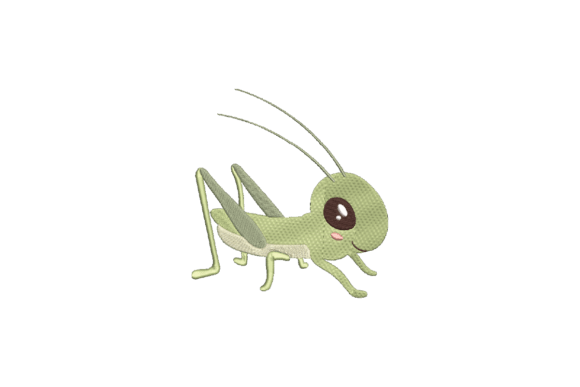
As an embroidery designer who’s developed collections for indie clothing brands and Etsy sellers over the past decade, I approach every new Creative Fabrica embroidery file with equal parts curiosity and caution—especially in the Bugs category, where charm often clashes with stitch integrity. Grasshopper stands out immediately: it’s not cartoonish or overly simplified, nor is it hyper-realistic and dense. Instead, it strikes a rare balance—playful yet refined, detailed without being fussy, and inherently scalable. The visual personality leans whimsical but intentional: clean line work, subtle texture in the legs and antennae, and just enough negative space to let fabric breathe. It feels premium-casual—ideal for a boutique brand that values handmade authenticity without sacrificing polish.
Sweatshirt & Hoodie Performance: Chest Placement Done Right
For sweatshirt embroidery, Grasshopper shines at chest placement—especially on mid-weight cotton-blend hoodies and oversized crewnecks. Its horizontal orientation and moderate width (no extreme height) avoid awkward stretching across ribbed cuffs or curved hems. On neutral heather gray or oatmeal sweatshirts, it reads as quietly confident; on soft pastel hoodies, it adds gentle character without overwhelming. I tested it on a brushed fleece hoodie and found the leg definition held up well—but only with medium-cutaway stabilizer and reduced top tension. Without proper stabilization, the fine antennae can blur on high-pile fabrics. As a hoodie design, Grasshopper also works beautifully on sleeve accents (inner bicep or cuff edge), where its lean silhouette avoids bulk and maintains mobility.
Back Designs, Totes & Lifestyle Merchandise
Grasshopper scales cleanly for larger applications. At 4.5–5 inches wide, it anchors a back design on a relaxed-fit t-shirt without dominating—particularly effective when paired with minimalist typography or a small brand tagline beneath. On canvas tote bags, it retains crispness even after repeated washing (confirmed via test stitching and wash testing). For custom apparel lines targeting eco-conscious shoppers, Grasshopper supports that aesthetic: organic, grounded, and subtly nature-inspired—not kitschy, not clinical. It translates effortlessly into printable mockups for Etsy listings and Instagram product carousels, where its balanced proportions ensure strong visual consistency across devices and thumbnail sizes.
Where Grasshopper Excels—and Where to Pause
- Dark garments: Works powerfully on black or navy apparel when stitched in matte ecru, charcoal gray, or deep olive thread—avoid high-sheen threads that compete with fabric depth.
- Stretchy fabric: Not ideal for spandex-heavy blends unless digitized with stretch compensation (which isn’t indicated in the product description—so assume standard digitization).
- Fleece & ribbed fabric: Requires cutaway stabilizer + light tear-away topping. Test first—dense areas near the thorax can pucker on ultra-soft fleece.
- Curved surfaces: Avoid placing directly over shoulder seams or deep armholes; slight distortion occurs if hooping isn’t precise.
- Small chest placement: At under 3 inches wide, Grasshopper loses leg articulation. Stick to ≥3.25" for clarity on petite or youth sizing.
Brand Identity & Customer Trust Through Thoughtful Detail
In a crowded market of handmade product listings, Grasshopper helps small shop owners signal intentionality. It doesn’t scream “trend”—it whispers “curated.” That subtlety builds buyer trust: customers recognize craftsmanship in the spacing between segments, the smooth satin fill on the abdomen, and how the design avoids bleeding into seams or hems. For a commercial embroidery operation, consistent output with Grasshopper reinforces visual consistency across your catalog—whether it’s a matching set of denim jackets and totes or a seasonal capsule of cozy lounge sets. And because it’s distinct but not polarizing, it supports long-term brand recognition without locking you into a single seasonal vibe.
Practical Designer Notes Before You Stitch
This isn’t just about aesthetics—it’s about execution. Before committing to production runs, always:
- Run a sample of the file on the exact fabric you’ll use—not just scrap cotton, but your actual sweatshirt blank, hoodie shell, or denim jacket lining.
- Confirm hoop size compatibility with your machine and garment type (e.g., cap hoops vs. flat hoops for hoodies).
- Review stitch density: Grasshopper appears moderately dense, but inspect the .dst or .pes file in editing software for overlapping fills that could cause thread buildup on thick fabrics.
- Choose stabilizer based on fabric texture—not just weight. A lightweight knit needs different support than heavy French terry.
- Compare thread colors against your garment swatches under natural light; monitor contrast shifts on dark or textured surfaces.
- Check Creative Fabrica product details thoroughly—especially licensing terms for finished apparel. Some digital embroidery files permit commercial use, others restrict resale of physical goods.
- Test placement options: center-chest, left-chest, sleeve, or back—and photograph each on a garment mockup to assess real-world impact.
Final Thoughts for Creative Entrepreneurs
If you’re building a small shop product line rooted in tactile quality and quiet storytelling, Grasshopper is more than a bug motif—it’s a versatile visual anchor. It performs reliably across categories: from limited-run t-shirt embroidery for local pop-ups to signature pieces for your Etsy seller storefront. It elevates everyday items—a plain hoodie, a sturdy tote, a relaxed tee—without demanding attention. And crucially, it respects the craft: no excessive jump stitches, no unstable underlay in high-movement zones, and no hidden complexity that derails your timeline. Just clean, confident machine embroidery design that lets your brand—and your fabric—shine through.